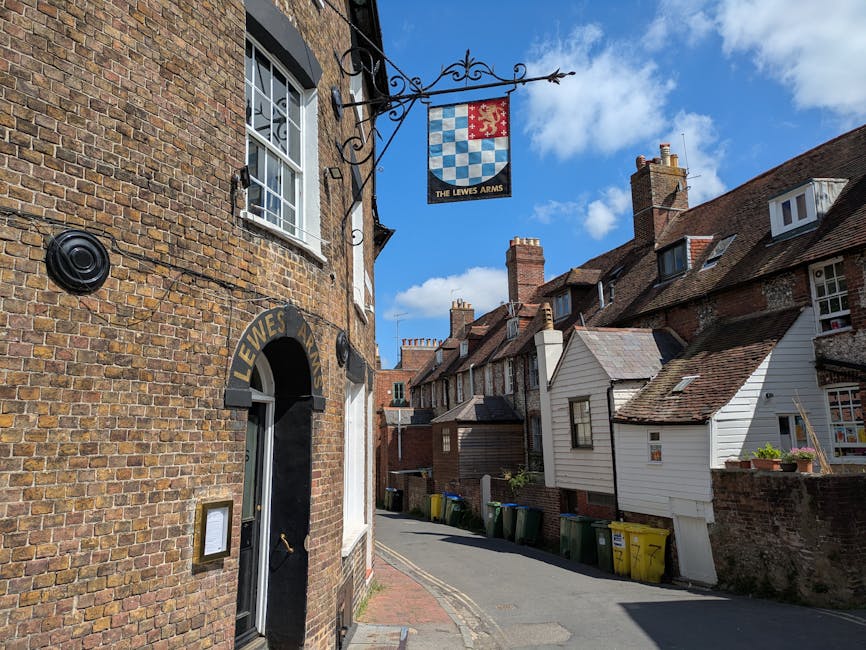
Esher KT10 Surrey Removals Guide for Narrow Streets
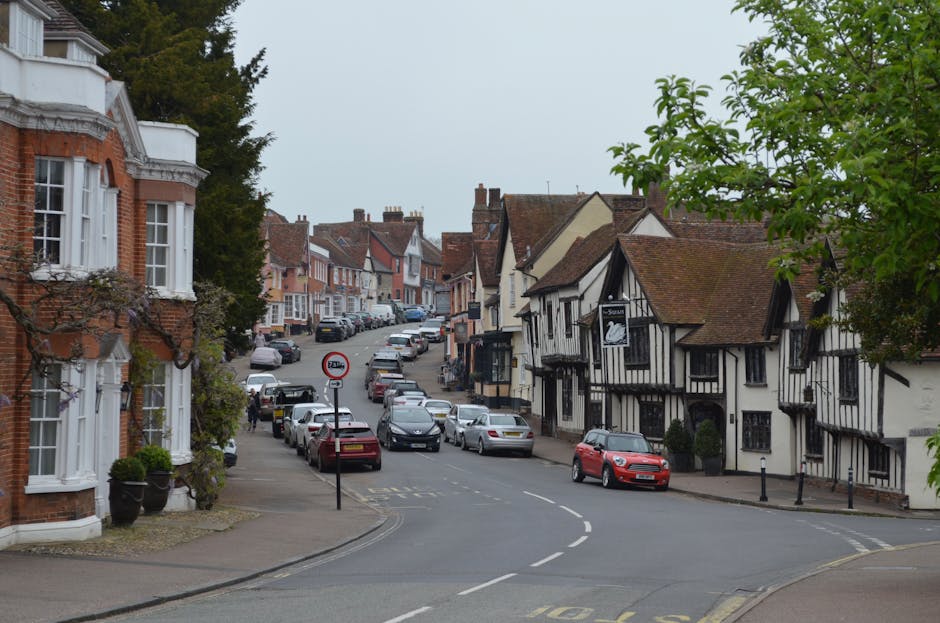
If you are planning a move in Esher, you already know the charm comes with a catch: pretty residential roads, older houses, parked cars, and the occasional lane that feels designed for a bicycle, not a van. That is exactly why an Esher KT10 Surrey Removals Guide for Narrow Streets matters. A smooth move here is less about brute force and more about planning, vehicle choice, timing, and a calm eye for detail.
This guide walks you through the practical side of moving in and around Esher's tighter roads, from access checks and packing strategy to vehicle selection and common mistakes. Whether you are moving a family home, a flat, or a small office, the aim is the same: fewer delays, fewer surprises, and less stress on the day. And, to be fair, that is what most people want more than anything else.
For broader moving help across the region, you may also find the main Surrey removals service useful, especially if your move involves storage, packing support, or heavier household items.
Why Esher KT10 Surrey Removals Guide for Narrow Streets Matters
Esher has a mix of property styles and road layouts that can make removals a little trickier than the average suburban move. Some streets are compact and busy with parked cars on both sides. Others have awkward turns, low-hanging branches, speed humps, or limited space for manoeuvring larger vehicles. If you arrive with the wrong truck size or no clear loading plan, a move that should take half a day can easily drift into the afternoon.
That is not just inconvenient. It can affect parking, neighbour access, team efficiency, and the safety of your belongings. Narrow roads mean every metre matters. A sofa that needs a sharp corner turn, a wardrobe that barely clears a staircase, or a van that cannot safely reverse without a banksman-style guide can slow everything down.
In a place like Esher, local awareness counts. Residents often prefer a neat, low-disruption approach, especially on streets where one badly parked vehicle can cause irritation fast. The point of planning well is not to overcomplicate things. It is to remove friction before the first box is even lifted.
Practical takeaway: narrow-street removals succeed when access, timing, packing, and vehicle size are planned together, not separately.
How Esher KT10 Surrey Removals Guide for Narrow Streets Works
The process usually starts with access assessment. A good mover will want to know what kind of road your property is on, whether there is space to park close by, how steep or tight the approach is, and whether there are any obstacles such as resident bays, corners, or one-way sections. That early conversation matters more than people think. It saves you from turning up on moving day and discovering the truck simply cannot get where it needs to go.
From there, the move is typically broken into smaller decisions:
- Choosing the right vehicle for the street and property size.
- Planning when the truck should arrive to avoid school runs, commuter traffic, or peak kerbside congestion.
- Deciding whether items should be carried by hand from a parking point further away.
- Preparing fragile or bulky furniture so it can be moved through tighter hallways and door frames.
- Assigning roles so one person can guide, one can load, and another can protect entrances or check routes.
For smaller or more flexible moves, a man and van service can be a smart fit because it is often easier to position a smaller vehicle on a narrow road. If your move includes larger furniture or more inventory than a light-load setup can handle, a moving truck or removal truck hire may still be the better choice, provided access is checked properly first.
Truth be told, most problems in tight streets come from assumptions. People assume there will be room. They assume the van can stop outside. They assume the wardrobe will fit round the turn. Usually, the move goes better when someone has already asked those awkward questions in advance.
Key Benefits and Practical Advantages
Well-planned removals in Esher's narrower roads can make a huge difference to your day. The biggest gain is time, but there are a few other benefits that matter just as much.
- Less disruption: Fewer repeated moves, fewer blocked driveways, and less inconvenience for neighbours.
- Lower damage risk: If items are packed and carried with the route in mind, there is less chance of scrapes, knocks, or strained lifting.
- Better vehicle control: A suitable van or truck reduces the stress of reversing, turning, and parking on a tight road.
- More predictable timing: Good planning makes the schedule far more realistic, which helps with access windows and handover times.
- Cleaner loading: A structured move avoids the chaotic "where did we put that lamp?" moment. We have all seen that one.
There is also a mental benefit that is easy to underestimate. When the logistics are sorted, the whole day feels calmer. Boxes still need lifting, of course, but you are not spending the morning worrying whether the van will physically fit near the property. That alone changes the mood.
If your move is part of a house transition, you may want to look at home moves support or work with experienced house removalists who are used to balancing access issues with careful handling.
Who This Is For and When It Makes Sense
This guide is useful for anyone moving in Esher KT10, but it is especially relevant if your property sits on a narrow residential street, a cul-de-sac with limited turning space, or a road where parking is already tight. It is also helpful if you are moving from a period property, a maisonette, an upper-floor flat, or a home with awkward internal access.
It makes sense for:
- Families moving from larger homes with heavy furniture and a lot of boxes.
- Young professionals relocating to flats where access is tight and parking is limited.
- Older residents downsizing, where care and pacing matter a lot.
- Businesses moving stock, files, or office equipment in a residential area.
- Anyone who needs help with packing, carrying, or timing a move around school runs and local traffic.
It also makes sense if you are doing a partial move. For example, you may be relocating most items yourself but need help with a sofa, dining table, or a few awkward pieces. In that case, a furniture pick-up service can be a practical bridge between DIY and a full removal package.
One common scenario: someone thinks, "It is only a short move, I can manage it." Then the staircase is tighter than expected, the parking bay is occupied, and the desk will not make the turn in the hallway. Not ideal. A bit of planning would have saved the back and the mood.
Step-by-Step Guidance
Below is a simple way to approach a narrow-street move without overthinking it.
- Assess access before you book. Walk outside and look at the road from a driver's point of view. Where could a van stop? Can it turn around? Is there room for loading without blocking driveways?
- Measure the awkward bits. Door widths, stair bends, banisters, hallway corners, and large furniture dimensions all matter. A tape measure is boring, yes, but it saves a lot of trouble.
- Choose the right moving method. Smaller vehicles can be easier in tight streets. Larger vehicles may still work if parking and loading are planned carefully.
- Pack by priority and fragility. Use sturdy boxes, label clearly, and keep essentials accessible. If there are breakables, do not bury them under books and hope for the best.
- Create a loading order. Heavy and robust items first, delicate items protected in dedicated spaces, essentials near the end for easy access.
- Check access on the day. If a car is parked where you expected the van to stop, have a fallback plan. A little flexibility goes a long way.
- Keep someone on hand for decisions. If the crew needs a quick answer on where to place something or how to navigate a corner, it keeps the process moving.
For larger or more complex relocations, especially if you are moving a workplace or mixed household goods, a service such as commercial moves or office relocation services may be more appropriate than a simple point-to-point van hire.
Small aside: moving day often begins with optimism and ends with one person standing in a doorway asking where the kettle went. The less improvised the process, the better.
Expert Tips for Better Results
Here are the details that tend to separate a decent move from a genuinely smooth one.
- Book earlier than you think you need to. Narrow streets and local timing constraints can reduce flexibility, so a rushed booking is rarely ideal.
- Use protective materials generously. Tight access often means more turning, more carrying, and more contact with walls or door frames.
- Pre-clear hallways and landings. Even a small umbrella stand or plant pot can become annoying when you are carrying a wardrobe at an awkward angle.
- Keep a "first night" bag separate. Toothbrushes, chargers, medication, snacks, and basic toiletries should not disappear into the back of the van.
- Think about unloading order too. If you are parking a little way from the property, put the essentials somewhere accessible, not buried at the front of the vehicle.
- Allow for a slower pace around older properties. Period homes can be beautiful, but they often come with narrow stairs, shallow landings, and odd corners.
If you are comparing service options, man with van arrangements can suit lighter loads or short-distance moves, while a moving truck may be better when volume is the priority and access has been properly checked. It is not always about "bigger is better". In fact, in a street like this, smaller can be smarter.
A useful habit: take a quick photo of the street and entrance from each end. It sounds simple, almost too simple, but those images can help everyone visualise the access constraints before the van arrives.
Common Mistakes to Avoid
A lot of moving stress is self-inflicted, if we are honest. Not because people are careless, but because they are busy and make optimistic assumptions.
- Booking the wrong vehicle size. Too large can create access issues; too small can mean extra trips.
- Ignoring parking reality. A road that looks fine on foot can behave very differently once a vehicle is involved.
- Not measuring furniture. The problem is often not the van. It is the corner in the hallway.
- Leaving packing too late. Last-minute packing tends to be messy packing, and messy packing tends to be slow packing.
- Forgetting about neighbours. A quick heads-up can prevent complaints if loading will temporarily affect access.
- Assuming one plan will fit every property. A flat move, a family house move, and a business move each have different access pressures.
Another common issue is underestimating how long loading takes when the van cannot stop right outside. Walking items up and down a few extra metres is perfectly manageable, but it changes the rhythm of the day. Build that in. Seriously. It matters.
Tools, Resources and Recommendations
You do not need fancy kit to make a narrow-street move work, but a few practical tools help enormously.
- Tape measure: For doors, sofas, bed frames, and any awkward turns.
- Furniture blankets and covers: Helpful for protecting wood, paintwork, and upholstered items.
- Strong boxes and tape: Especially useful if items may need to be carried a little further than expected.
- Labels and markers: Clear labels save time when you are unloading in a hurry.
- Dollies or trolleys: Useful where surfaces allow them, particularly for heavier items.
- Phone camera: Good for recording access points, parking spaces, and furniture dimensions.
Recommendation-wise, the best choice is usually the one that matches your access problem rather than just your item count. If the street is the real challenge, a compact vehicle and a careful loading plan may outperform a larger setup. If the challenge is volume, then removal truck hire may be more efficient, provided the vehicle can be positioned safely.
For complete move support, a service bundle that includes packing and unpacking services can reduce pressure a lot, especially if you are balancing work, children, or a tight handover deadline.
Law, Compliance, Standards, or Best Practice
For a move in narrow streets, the most relevant issue is usually best practice rather than complex regulation. In the UK, movers should operate safely, avoid unnecessary obstruction, and take care not to block access for emergency services, neighbours, or pedestrians. If parking restrictions apply, these need to be respected. That sounds obvious, but on tight roads, the obvious is exactly what gets overlooked.
Best practice usually includes:
- Checking parking and access constraints before the move.
- Using appropriate lifting techniques and team coordination.
- Protecting the property and items during carrying and loading.
- Planning around peak traffic where possible.
- Communicating clearly with the customer about access limitations and timing.
If storage becomes part of the plan because access is temporarily limited or completion dates shift, choosing a mover who can coordinate that calmly is often worth it. Not glamorous, but very useful.
Practical standard: if a route feels unsafe, too tight, or likely to cause avoidable damage, slow down and reset the plan rather than forcing it.
Options, Methods, or Comparison Table
Different moving methods suit different narrow-street situations. Here is a simple comparison to help you think it through.
| Option | Best for | Strengths | Watch-outs |
|---|---|---|---|
| Man and van | Small to medium moves, flexible access | More agile in tight streets, often quicker to position | May need multiple trips for larger loads |
| Man with van | Light removals, single-item transport, smaller households | Simple, practical, often cost-effective | Limited carrying capacity compared with larger vehicles |
| Moving truck | Larger homes or bigger volumes | Can carry more in one go | Harder to position on narrow or busy roads |
| Removal truck hire | Moves where vehicle size and control are both important | Useful for planned, fuller moves | Needs careful route and parking planning |
| Full home move service | Families, busy households, time-sensitive moves | More hands-on support, less personal workload | May be more than needed for a very small move |
If you are unsure, the best approach is usually to start with the street first and the item list second. That order feels backwards to some people, but it is often the right way round in Esher.
Case Study or Real-World Example
Imagine a family moving from a detached home on a narrow Esher road with cars parked along one side. The house has a front path that is only wide enough for one person to pass comfortably, and the dining table cannot be angled through the hallway without taking the legs off. Nothing impossible, just fiddly.
Instead of sending in a large truck and hoping for the best, the move is planned with a smaller vehicle, an earlier arrival time, and a clear loading order. Fragile items are packed separately. The sofa is wrapped. The dining table is partially dismantled. One person manages the route from front door to van, while the others carry and load in sequence. The result is not magical. It is simply organised.
The family still has a moving day. There are still boxes, tea breaks, and the odd "where did the kettle go?" moment. But there is no roadblock, no unnecessary reversing, and no panic about the van being stuck in the wrong place. That is the real win. Less drama, more progress.
In another example, a small business relocating files and equipment from a property with limited street access might choose a more compact vehicle and use commercial moves support, plus office relocation services for the heavier or more technical items. The move stays orderly because the service matches the road, not just the building.
Practical Checklist
Use this checklist before moving day. A few minutes here can save hours later.
- Measure the street access and loading point.
- Check for parking restrictions, resident bays, or common congestion times.
- Measure large furniture and awkward items.
- Confirm whether the vehicle can stop close enough to the property.
- Choose the moving method based on access, not only the load size.
- Pack fragile items separately and label them clearly.
- Prepare a first-night bag with essentials.
- Protect floors, door frames, and furniture surfaces.
- Tell neighbours if the move may briefly affect access.
- Keep a phone charged for last-minute coordination.
- Have a fallback plan if a car is parked where the van needs to be.
- Arrange help for heavier items if stairs or narrow corners are involved.
Quick reminder: if the street feels awkward to you on foot, it will feel even more awkward from behind the wheel of a van.
Get a free quote today and see how much you can save.
Conclusion
Moving in Esher KT10's narrower streets does not have to be complicated. It just needs a realistic plan. Once you account for access, vehicle choice, timing, and the shape of the property itself, the day becomes much more manageable. That is the heart of this guide: less guesswork, more certainty, and a calm, practical approach that respects the road as much as the removal itself.
If you are comparing options, think about whether you need a compact vehicle, a full removal team, packing support, or help with a few heavier items only. The best move is the one that fits the street as well as the schedule. Simple, really. Not always easy, but simple.
With the right preparation, even a tight Esher lane can be handled smoothly, and there is something reassuring about that. One good plan, one careful load, one clear route. The rest is just getting it done.
Frequently Asked Questions
What makes removals in Esher KT10 tricky on narrow streets?
The main challenge is access. Narrow roads, parked cars, limited turning space, and tighter frontages can make parking and loading harder than expected. The move is usually fine once the route and vehicle size are planned properly.
Should I choose a small van or a larger truck for a narrow road?
In many cases, a smaller van is easier to position and load in a tight street. A larger truck can still work, but only if the access is realistic and the parking plan has been checked in advance.
How do I know if my furniture will fit through the house?
Measure the widest pieces of furniture and compare them with doorways, stairs, and corners. It is also worth checking whether items can be tilted, dismantled, or carried in parts. That one measurement can save a lot of head-scratching later.
Is a man and van service suitable for Esher narrow streets?
Yes, often it is. A man and van service can be a practical option where access is awkward or the load is moderate. It tends to suit short-distance or lighter moves particularly well.
What happens if the moving vehicle cannot park outside my property?
The team may need to park further away and carry items the remaining distance. That is normal in tight streets, but it should be factored into planning and timing so the day does not run late.
Do I need packing help for a narrow-street move?
Not always, but packing support can make a big difference if you have fragile items, awkward furniture, or a busy schedule. Packing and unpacking services are especially helpful when you want to reduce day-of pressure.
How early should I arrange a removal in Esher?
As early as you can, especially if the move involves access constraints. Early planning leaves more room to choose the right vehicle, prepare parking, and deal with any last-minute issues calmly.
What should I do if parking is limited on my street?
Check the road in advance, identify any legal stopping points, and speak with your mover about the practical loading setup. A short walk from the van to the property may be perfectly workable if the team expects it.
Can I combine storage with a narrow-street move?
Yes. If your dates do not line up or access is only possible at certain times, storage can help bridge the gap. It is a sensible option when a move needs a bit of flexibility.
Are office removals different from home removals in narrow streets?
They are similar in access terms, but office moves usually involve more equipment, files, and coordination. A service such as office relocation services can help keep that process organised.
What is the biggest mistake people make on narrow-street removals?
Assuming access will sort itself out on the day. It rarely does. The best moves are the ones where parking, vehicle size, and furniture handling have all been thought through beforehand.
How can I make moving day less stressful?
Keep the essentials easy to reach, label boxes clearly, confirm the access plan early, and choose the right type of moving help for your street. Once the basics are covered, the day usually feels much more manageable.